
ABOUT US
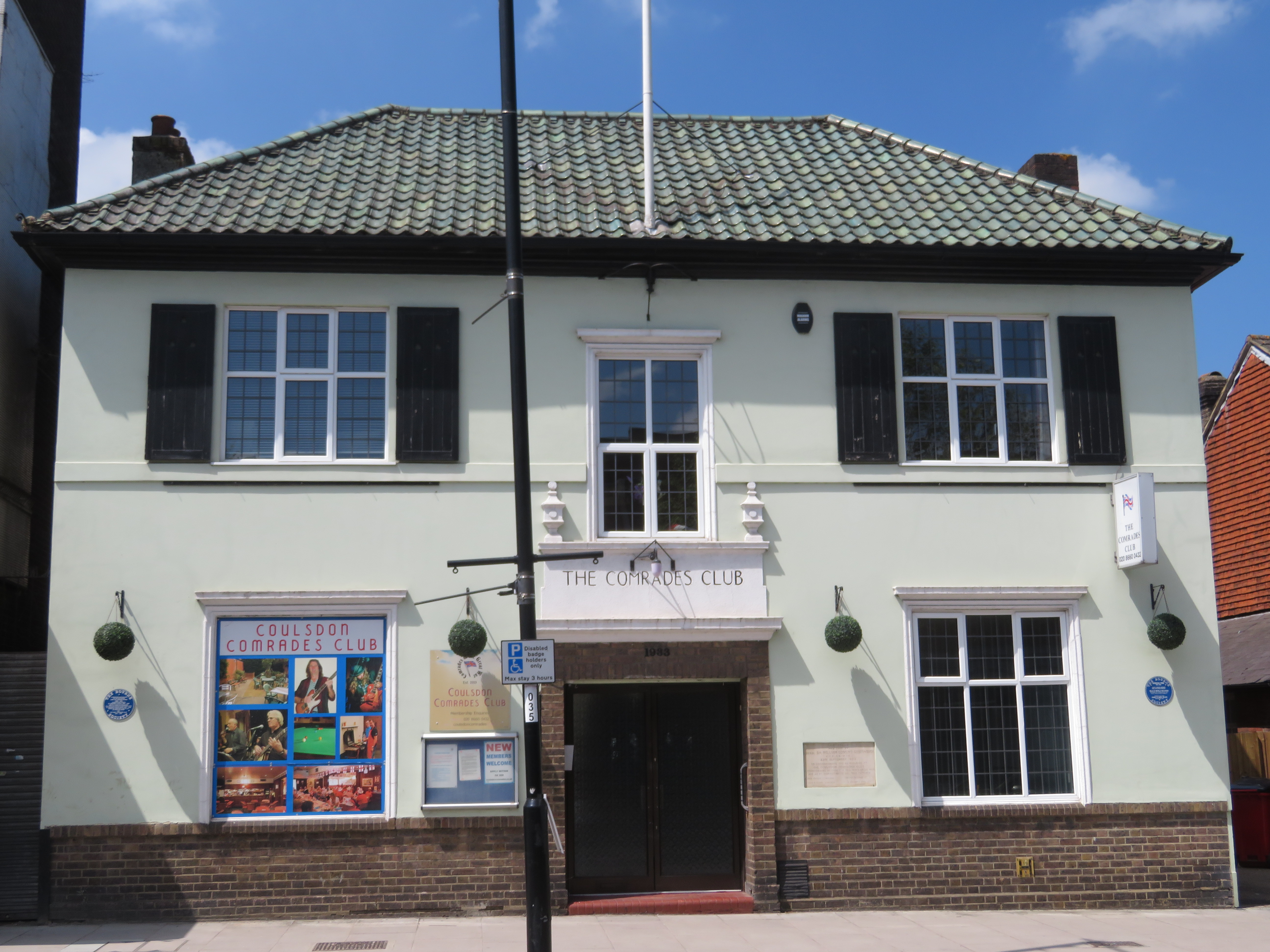
The Comrades Club is a lively friendly social Private Members Club
which has served the local community for over 100 years
and is in the centre of Coulsdon.
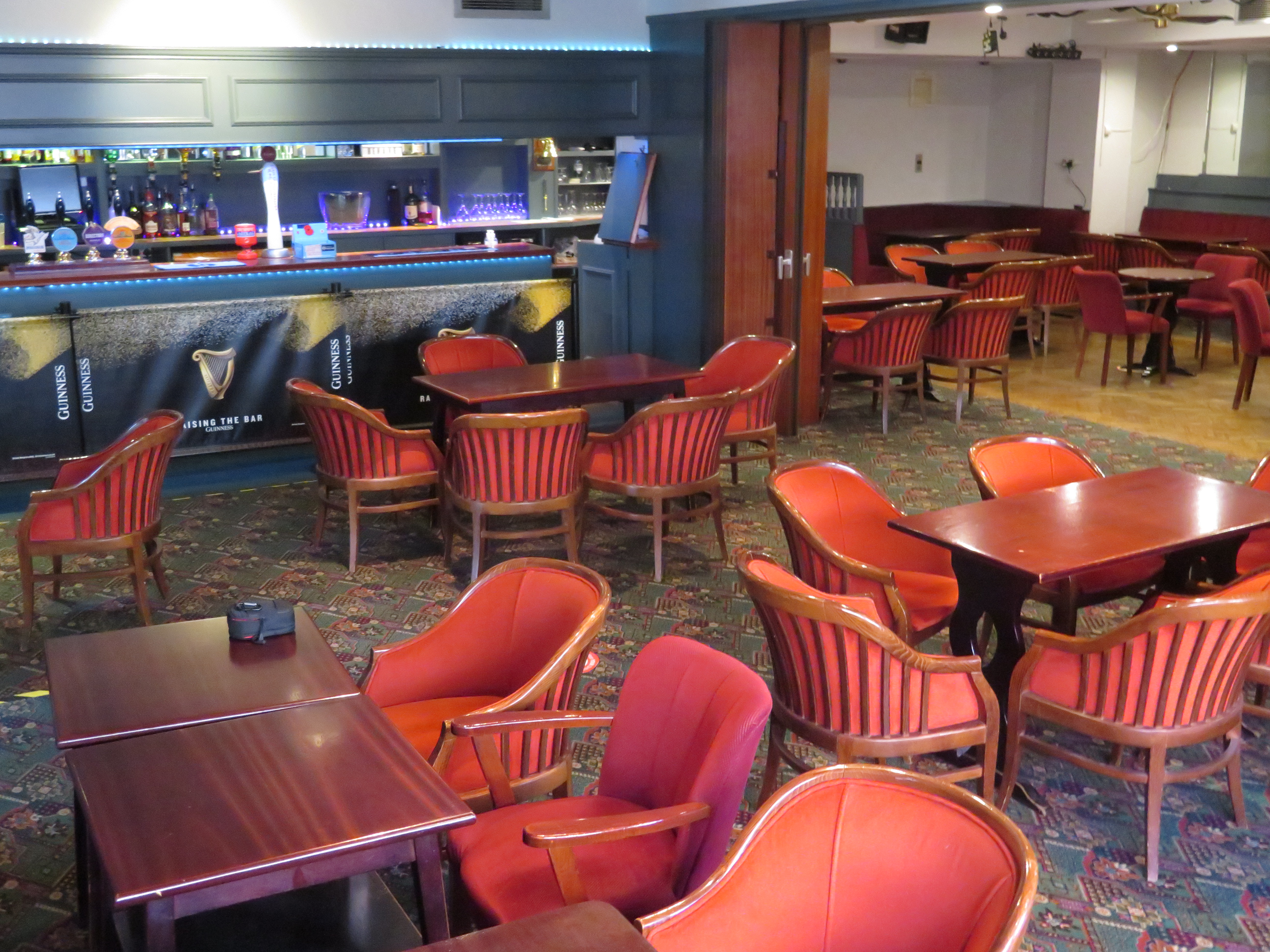
The Club is known for its Saturday night entertainment.
and other social events and is also home to the
award winning Tuesday Night Music Club which showcases
live music from some of the best Blues Bands in the UK and beyond.
The Club also hosts several small Social Clubs
who use the facilities for their meetings.
These include our Local Wine Club, Book Club, Knitting Club
and ‘Little Buds’ a children’s drama group.
We have four Match Play Snooker Tables
and hold regular league games and Snooker Tournaments.
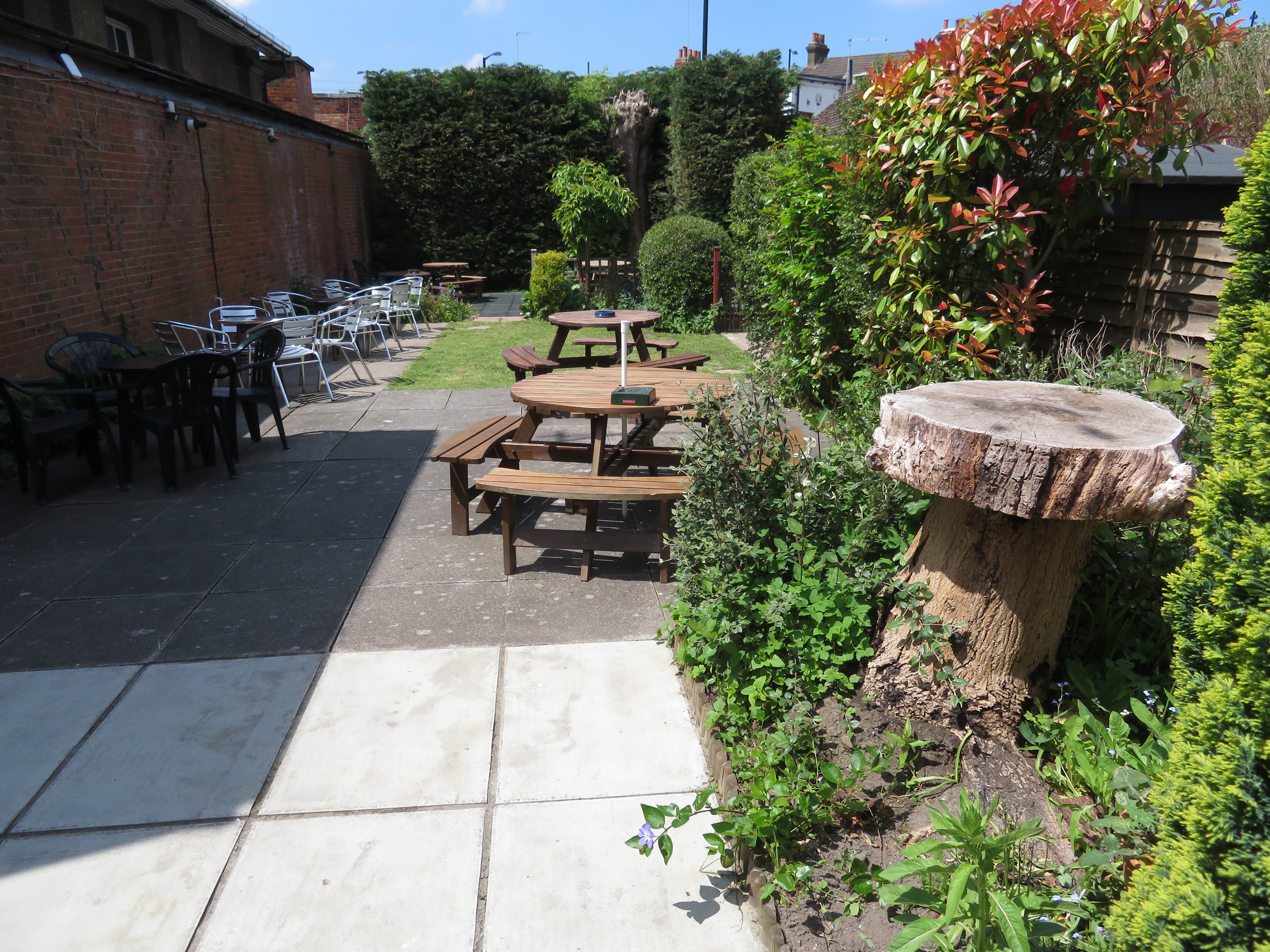
The Club has a good size Beer Garden which is used for
live music events and Barbeques in the Summer.
The Comrades Club is available for hire for Private Functions.
Please Contact Us with your enquiry.
Share on Social Media
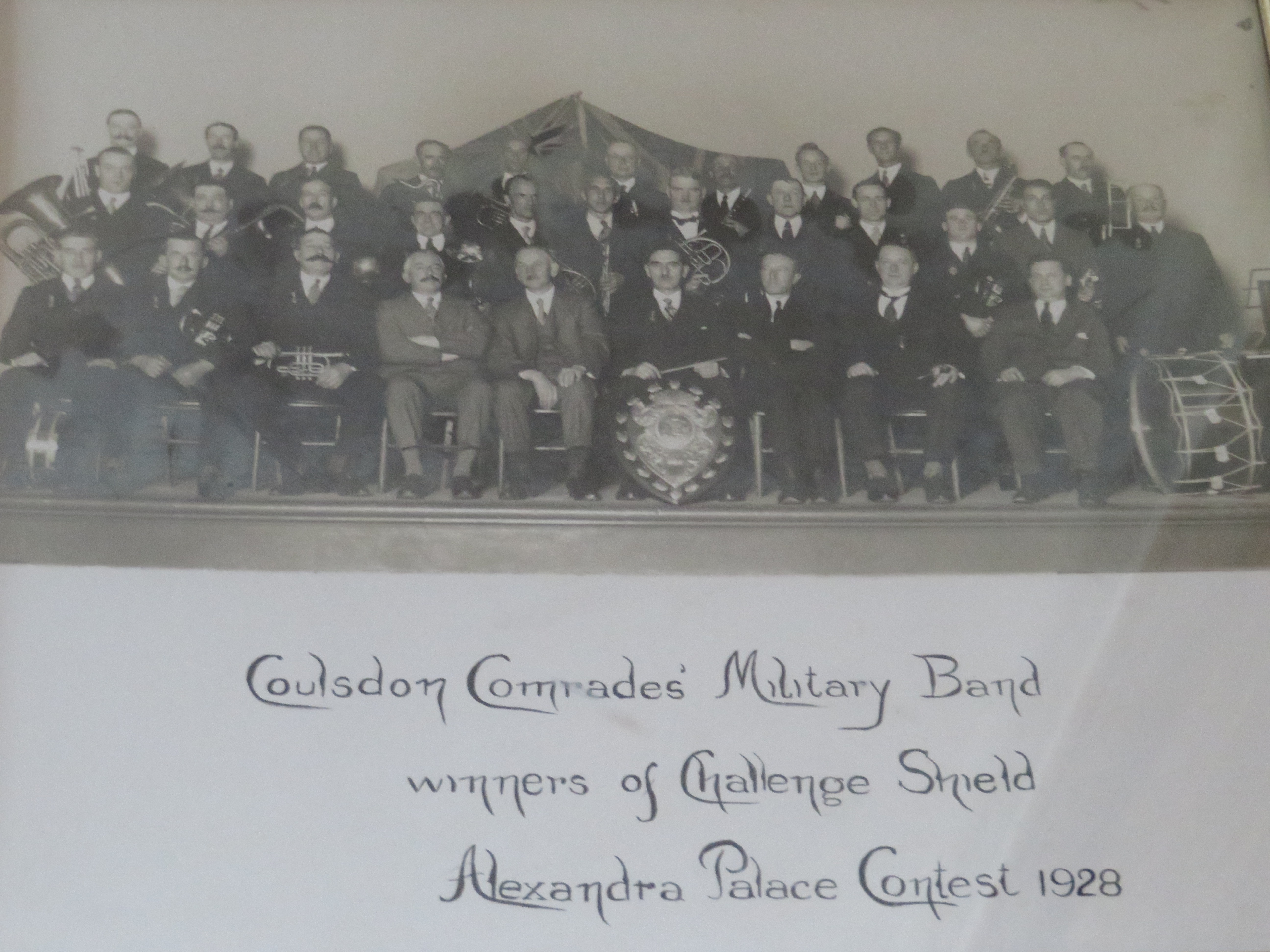
Comrades of the Great War
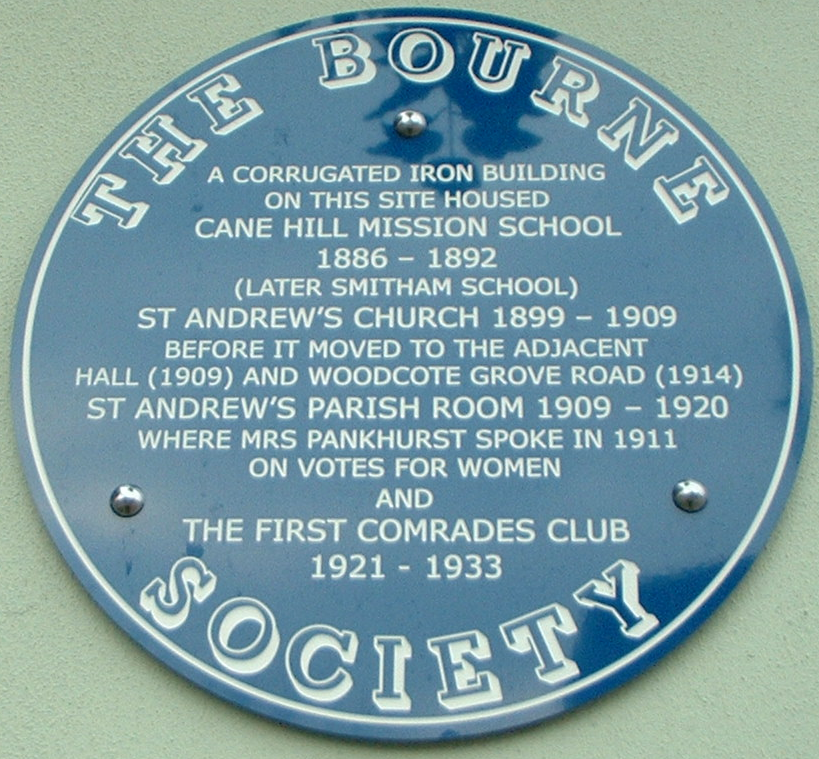
A Short History of the Coulsdon Branch of the Comrades of the Great War Club, which proudly displays two Blue Plaques on the front of the building.
The Village of Coulsdon
The village of Coulsdon dates back to ancient time, the first Deed for Curedesdone being granted by King Frithwald in the year 675. The Doomsday Book records that in 1086 there was a church and 55 people living in the village of Colesdone. Today, according to local records, the correct phonetic pronunciation of Coulsdon is actually Coalsden.
Between 1915 and 1965 there existed the Coulsdon & Purley Urban District with Farleigh joining in 1933. A coat of arms was granted in 1953 (now obsolete) with the motto: Ad Summa Pergamus (let us press on to the highest). In 1965 this Urban District was absorbed into the London Borough of Croydon.
The Great War
As troops and other servicemen returned home after the end of the Great War there was severe hardship and poverty across the land. Many of the servicemen banded together in comradeship for mutual support in these hard times.
A great many ex-servicemen were disillusioned by their experiences during the war and in particular the way their leaders threw men into the firing line without thought of safety. Many singled out General Haig as the main perpetrator of this callous slaughter of British and Empire troops with the Battle of the Somme singled out as their darkest hour.
Towards to end of the Great War and in the following years, several nonpolitical associations were formed representing the rights of ex-service men and women. Prior to the formation of the British Legion in May 1921 there were four main associations; The National Association of Discharged Sailors and Soldiers (1916). The British National Federation of Discharged and Demobilised Sailors and Soldiers. The Comrades of the Great War (1917) and the Officers Association (1920). The amalgamation of these four organisations in 1922 formed the nucleus of the British Legion as we know it today.
Formation of the Club
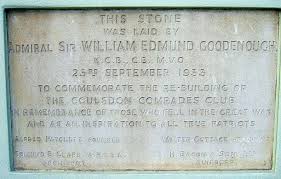
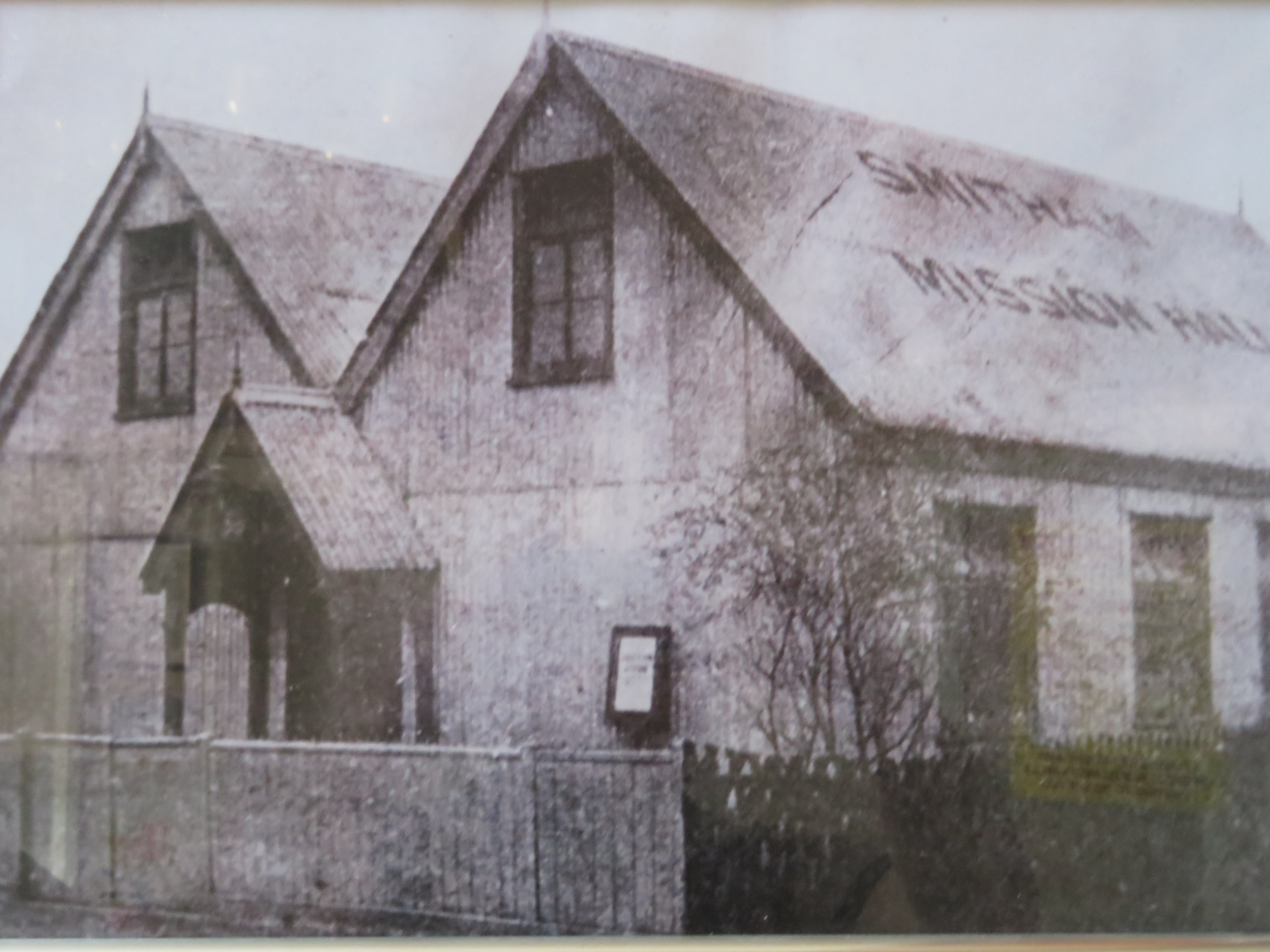
In 1919, the Coulsdon Branch of the Comrades of the Great War (1919) Limited was formed on the present site in the centre of the village of Coulsdon. The first President of the Club was Mr Alfred Patchett and members met in a large wooden shed which was their meeting place for some years. The wooden hut was demolished in 1933 to make way for the existing frontage of the Club.
The new building was officially opened by Admiral William E Goodenough KGCB, MVO who lived at Parsons Pightle in Old Coulsdon. Admiral Goodenough commanded the Light Cruiser Squadron that sighted the German Grand Fleet leading to the Battle of Jutland. He is buried at St Johns Church and a local street called Admirals Walk is named in his honour.
After the end of the Great War, the now Field Marshal Earl Haig became deeply involved in the welfare of the survivors of that conflict devoting the remainder of his life to championing their cause. There was much talk of political unrest in the nation and the government sought to under-mind this swelling of dissent by promoting the unification of the multitude of exservicemens clubs into a single more controllable body. With the support of Field Marshall Haig a new unifying organisation was formed in 1921 called the British Legion. Many ex-servicemens clubs, including some Comrades Clubs amalgamated with or became affiliated to the Royal British Legion.
In a number of cases the memories of the Great War were just too great to allow some ex-servicemen to be linked in any way General Haig and they decided to remain totally independent of the newly formed British Legion. To this day that remains the case with the Coulsdon Branch of the Comrades of the Great War Club. The Club is proudly independent of all other such clubs and organisations and is not a member of the Club and Institute Union known as the CIU.